

What to Look for When Hiring a Plumber
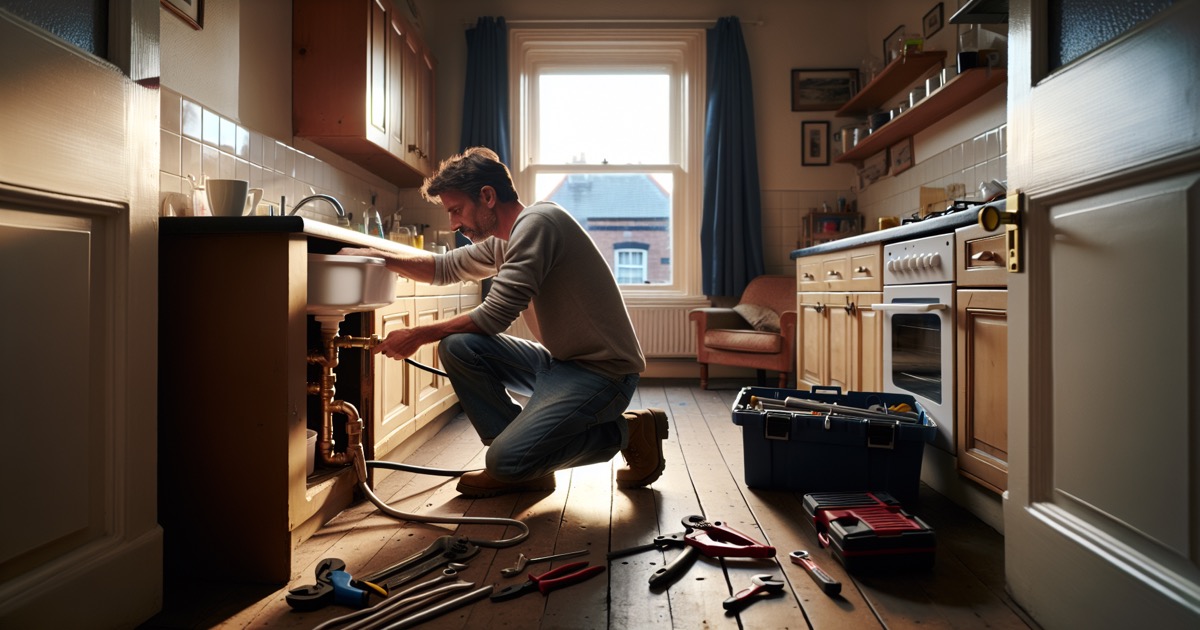
How to choose a trustworthy plumber in the UK — what qualifications matter, what questions to ask, and how to avoid common mistakes that cost you more in the long run.
Finding a good plumber is one of those things most people only start thinking about after a pipe has already burst or a boiler has packed up. Having a reliable plumber in your contacts before you need one urgently is genuinely worth the effort. But whether you are dealing with an emergency or planning a bathroom renovation, knowing what to look for in a plumber helps you choose well and avoid expensive mistakes.
This guide covers the qualifications that matter, the questions worth asking before any work starts, and the warning signs that should make you think again.
Qualifications and Registrations That Matter
Gas Safe Register (for any gas work)
If your plumber will be working on any gas appliances, pipes, or boilers, they must be registered with the Gas Safe Register. This is a legal requirement, not an optional credential. Only Gas Safe registered engineers can legally work on gas appliances in the UK.
You can verify any engineer at gassaferegister.co.uk using their ID number. Ask to see their Gas Safe card when they arrive, and check the back of the card shows the specific appliances they are qualified to work on (e.g., domestic boilers, gas fires, cookers).
Hiring an unregistered person to work on gas appliances is illegal and potentially life-threatening. Carbon monoxide leaks from poorly fitted boilers kill people every year.
CIPHE or APHC membership
For non-gas plumbing work, there is no single mandatory registration scheme in the same way, but membership of the Chartered Institute of Plumbing and Heating Engineering (CIPHE) or the Association of Plumbing and Heating Contractors (APHC) indicates a plumber who takes their trade seriously and is subject to a professional code of conduct.
WaterSafe approval
WaterSafe is a UK scheme for approved plumbers who are qualified to carry out work on cold water supplies. WaterSafe-approved plumbers understand the Water Supply (Water Fittings) Regulations, which govern how water systems must be installed to prevent contamination. Check the directory at watersafe.org.uk.
Questions to Ask Before You Hire
Are you Gas Safe registered?
Only relevant if gas work is involved, but non-negotiable if it is. Ask for their Gas Safe ID number and check it online before they arrive.
Do you carry public liability insurance?
A professional plumber should have adequate public liability cover. Plumbing work that goes wrong can cause significant water damage, and you need to know you are protected if something is installed incorrectly.
Will you provide a written quote?
For any job beyond a quick tap washer, a written quote is important. It should set out the work to be done, materials, and the total cost (or a day rate with an estimated time). This protects you from bill shock and gives both parties a clear agreement.
Are call-out fees separate from the work cost?
Some plumbers charge a call-out fee on top of their hourly or day rate. Make sure you know upfront so you can compare quotes accurately.
Do you offer a guarantee on your work?
Most reputable plumbers stand behind their work with at least a 12-month workmanship guarantee. Ask what happens if something they have installed or repaired fails shortly after the job.
Typical Plumber Day Rates in 2026
- Standard plumber day rate: £180 to £300 per day (UK average)
- London and South East: £250 to £400 per day
- Emergency call-out rate: £100 to £200 per hour
- Gas Safe engineer day rate: £220 to £350 per day
Red Flags That Should Give You Pause
- Cannot provide a Gas Safe ID number when asked to do gas work
- Refuses to provide a written quote and insists everything is agreed verbally
- Demands a large cash payment upfront before any work is done
- Cannot explain clearly what the problem is or what they plan to do
- Pressures you to make a decision immediately without time to get other quotes
- Has no reviews or references, or actively discourages you from checking
Emergency Plumbing: What to Know
When a pipe bursts or a boiler stops working in winter, the temptation is to hire whoever answers the phone first. Emergency rates are higher, but that does not mean you should abandon basic checks. A Gas Safe ID check takes 30 seconds and can be done by phone while the engineer is en route. Your insurance policy may also require that work is carried out by a qualified tradesperson for claims to be valid.
If you have a stopcock, know where it is and how to turn off your water supply while you arrange repairs. This can limit damage significantly.
How to Find a Good Plumber Before You Need One
The best time to find a reliable local plumber is before anything goes wrong. Post a small job or ask for a quote from QuoteBank, read the reviews, and keep the contact details of someone you trust. That preparation pays off when you are dealing with water pouring through a ceiling at 11pm.
Post your plumbing job on QuoteBank to hear from local plumbers with genuine reviews and verified qualifications, whether it is an emergency repair, a bathroom project, or a boiler service.
Related Articles